A domain can be a traffic source, a trust signal, and a moat at the same time. The biggest sales prove one thing: buyers pay top dollar for names that are short, clear, category-level, and tied to high-spend markets.
Here’s the short version:
- Cars.com led the list at about $872 million, though that figure came from a company buyout, not a plain domain-only sale.
- LasVegas.com was priced at $90 million, but the deal ran over decades, which changed what that number meant in practice.
- AI.com sold for $70 million in 2025 and became the largest publicly disclosed pure domain sale.
- Insurance, travel, autos, tech, and luxury services show up again and again because one direct visit in those markets can be worth a lot.
- The same pricing rules keep showing up: scarcity, exact-match intent, direct traffic, brand fit, and .com trust.
If I had to boil the article down to one point, it would be this: the best domains cut down on explanation, lower traffic costs, and give a business room to grow. A high price alone means nothing, though. Voice.com sold for $30 million, yet 360.com later drew far more traffic. So the lesson is not “buy the most expensive name.” It’s buy the name that fits the market, the buyer intent, and the business model.
A single domain just sold for $70,000,000
sbb-itb-96552b7
Quick Comparison
| Domain | Reported Price | What drove the price |
|---|---|---|
| Cars.com | $872 million | Category control in autos |
| LasVegas.com | $90 million | Geo intent and booking traffic |
| AI.com | $70 million | Two-letter scarcity and AI demand |
| CarInsurance.com | $49.7 million | High-cost keyword traffic |
| Insurance.com | $35.6 million | Broad insurance reach |
| VacationRentals.com | $35 million | Blocking rivals from owning the term |
| PrivateJet.com | $30.18 million | Trust in a high-ticket niche |
| Voice.com | $30 million | One-word brand power |
| Internet.com | $18 million | Direct traffic and age |
| 360.com | $17 million | Short format and global brand match |
So if you’re a founder, operator, or investor, the article’s lesson is simple: judge a domain like a business asset, not a line item. Look at traffic intent, customer value, brand range, and deal structure before you look at the headline price.
Why Premium Domains Still Matter in 2026
A premium domain can do more than point to a website. In some cases, it is the brand.
When someone types a domain straight into the browser, that says a lot. It shows intent. It also signals trust. And that kind of direct type-in traffic tends to stick around. You can’t easily swap it out with paid ads.
The .com market grew 32% in overall dollar volume in 2025 compared to 2024. A big reason is simple: scarcity. There is only one AI.com, one Cars.com, and one VacationRentals.com. Once a category-defining name is gone, it’s gone for good. That fixed supply is a big part of why prices stay high.
Short domains have their own pull. They’re easier to say, easier to spell, and easier to remember. Short domains (3: 6 letters) now regularly command six- and seven-figure prices. If a name is easy to say out loud, easy to type, and still easy to recall a week later, that’s doing a lot of work on its own. A strong .com also gives off a sense of permanence and trust.
There’s another angle here too. A broad premium domain gives a company room to move. If the business shifts, adds products, or grows into a new lane, the brand name can still fit. No messy rebrand, no need to explain the change from scratch. Tesla’s long fight for Tesla.com is a good example of how much a category-matching domain can matter.
The ten sales below show all of this in motion, from category-defining .com names to ultra-short brands.
1. Cars.com
Deal value: about $872 million (2014)
In 2014, Gannett Co. bought full ownership of Cars.com by purchasing its partners’ stakes in Classified Ventures LLC for about $872 million. The deal covered the company, but Cars.com was the main asset behind that price.
Cars.com is the category name. That matters. If someone types "cars.com" straight into a browser, they already know what they want. That's high-intent traffic, and it's hard to get with paid ads. It's also almost impossible to copy with a weaker, less direct name.
Owning the category term gives you instant trust before a visitor reads a single line of copy. The name does a lot of the work on its own.
The takeaway for solo founders is pretty simple: look for names that are clear, easy to remember, and closely tied to what you sell. You’ll see that same pattern in the next deals too - the best domains name the category, not just the business.
2. LasVegas.com
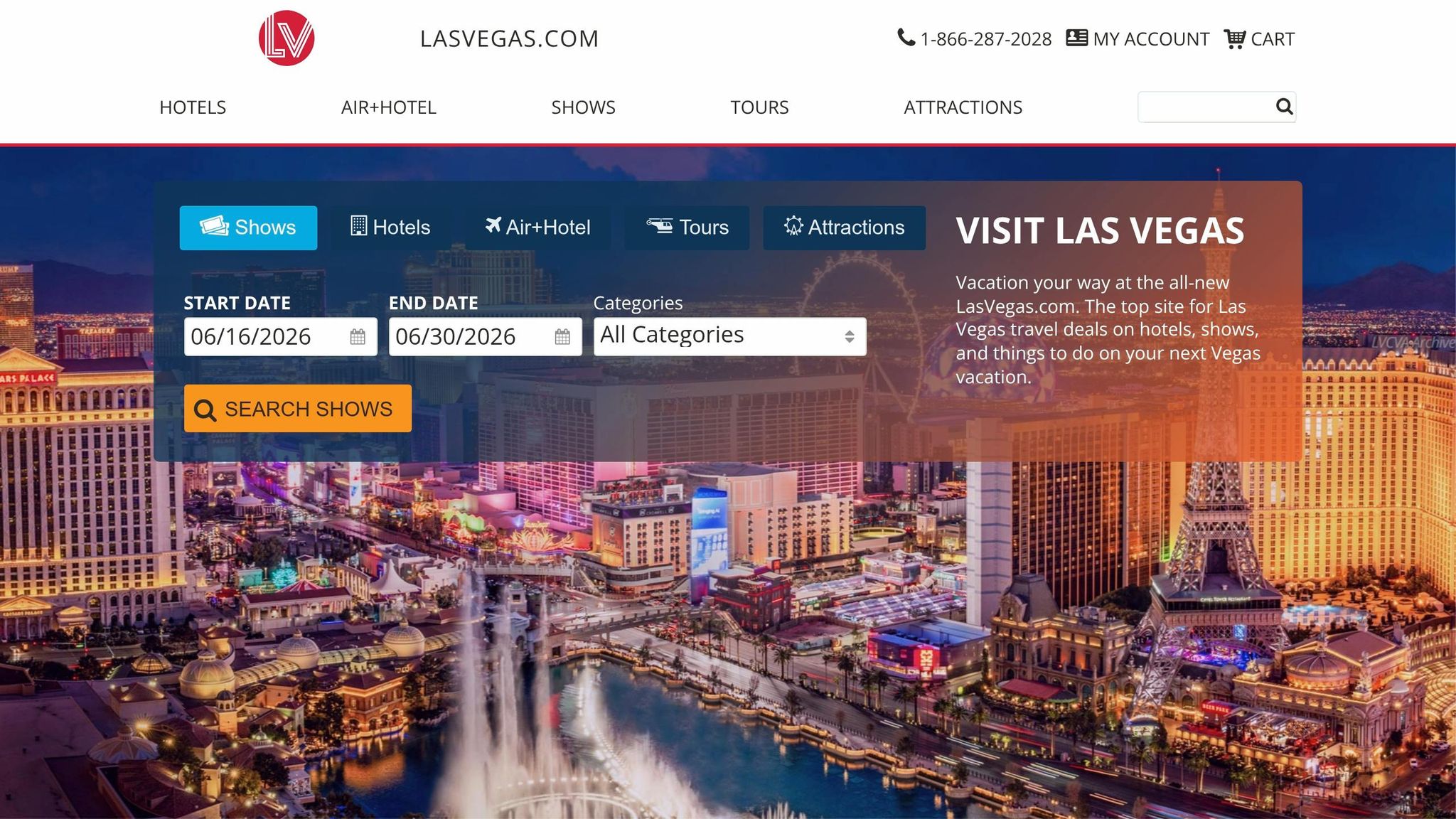
Deal value: $90 million (2005, 2040)
In 2005, Vegas.com LLC made a deal with Stephens Media to buy LasVegas.com for a reported $90 million total value. The setup is what made this sale stand out. The buyer paid $12 million upfront, then agreed to rising payments over time, with full ownership set to transfer on June 30, 2040.
That matters because it wasn't a simple lump-sum purchase. The mix of scarcity and long-term financing made the deal possible without writing one massive check on day one. Then, in November 2023, Vivid Seats bought Vegas.com LLC for $240 million and took on the remaining payment obligations, which run at about $2.5 million per year.
Why does LasVegas.com carry that kind of price tag? It comes down to intent. The domain reaches people searching for Las Vegas right when they're ready to spend money on hotels, shows, tours, and dining. That's the sweet spot. Traffic like that can turn into bookings, leads, and direct sales.
There's also a practical takeaway here: deal structure can change everything. A premium domain doesn't always need to be bought with one giant upfront payment. Sometimes the smarter move is financing over many years. For solo founders, that's a useful reminder. A domain buy isn't just about how much cash you have today. It's also about the shape of the deal.
This sale also shows why headline numbers can be a little slippery. $90 million sounds massive - and it is - but the timing of the payments tells a much bigger story. Before walking away from a domain that seems out of reach, it's worth asking about seller financing.
The next sales show a different type of premium value: exact-match domains in massive categories.
3. AI.com

Deal value: $70 million (2025)
In April 2025, Kris Marszalek, CEO of Crypto.com, bought AI.com for $70 million. That made it the largest publicly disclosed domain sale ever recorded. The deal was paid in crypto and brokered by Larry Fischer, who called it the largest domain transaction ever completed.
The seller, Arsyan Ismail, had picked up the domain in 2021 for about $11 million. That jump says a lot. Buyers weren’t paying just for two letters on a screen. They were paying for the weight that comes with a name people remember instantly.
The sale stayed under wraps until February 6, 2026, right before the platform’s Super Bowl LX launch. Before that, AI.com had bounced through redirects to major AI brands, which only made people pay more attention to it. And attention like that tends to add fuel to price.
Why is AI.com worth so much? Part of it is simple math: two-letter .com domains are rare. The other part is timing. “AI” is the tech acronym of the moment. Put those together and you get a domain that feels like prime real estate.
For a company in a packed market, owning the exact category name can do a lot of heavy lifting. It gives instant authority and helps keep the brand from turning into just another generic option.
For founders, there’s a plain lesson here: category-matching domains can cut down on explanation and help people trust you faster. If your niche has a short, exact-match name still on the table, it may be worth more than a clever brand play. In niche after niche, the clearest name often wins. That same idea shows up again in the next sale.
4. CarInsurance.com
Deal value: $49.7 million (2010)
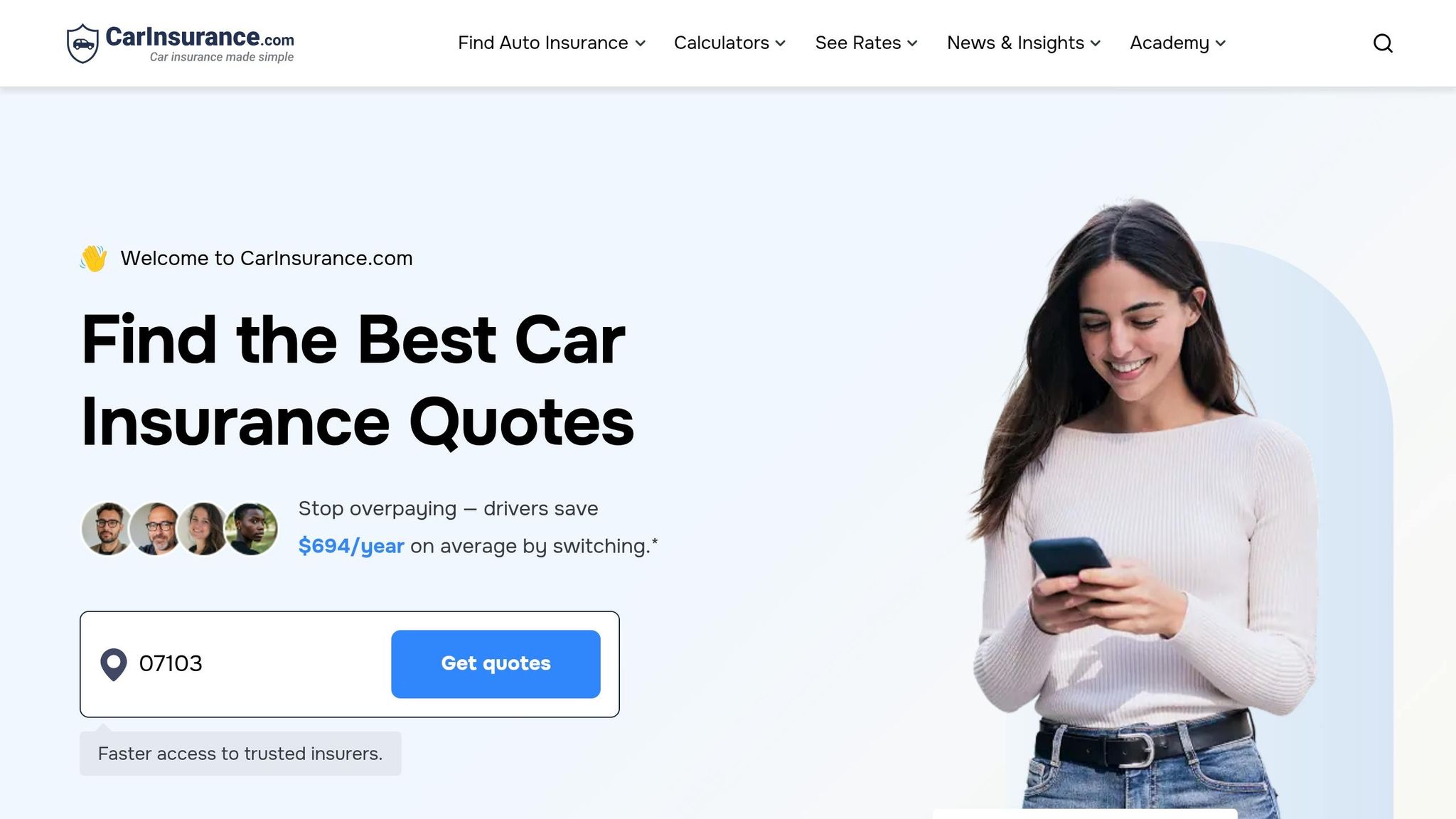
CarInsurance.com is a clear example of how an exact-match domain can turn pricey search demand into traffic you control. In 2010, QuinStreet paid $49.7 million for CarInsurance.com and related assets. The idea was simple: own a domain that matched a high-intent search term and use it as a lead-generation asset.
By the late 2000s, "car insurance" was one of the most expensive search terms online, with cost-per-click prices in the tens of dollars. That made the category tough and expensive to compete in through paid search alone. With an exact-match domain, QuinStreet could pull in that demand more directly, without paying for every single click in a category shaped by strong buying intent.
For founders, the takeaway is pretty clear: if search demand is tied to revenue, an exact-match domain can become part of your customer acquisition engine.
QuinStreet later used the same playbook with Insurance.com.
5. Insurance.com
Deal value: $35.6 million (2010)
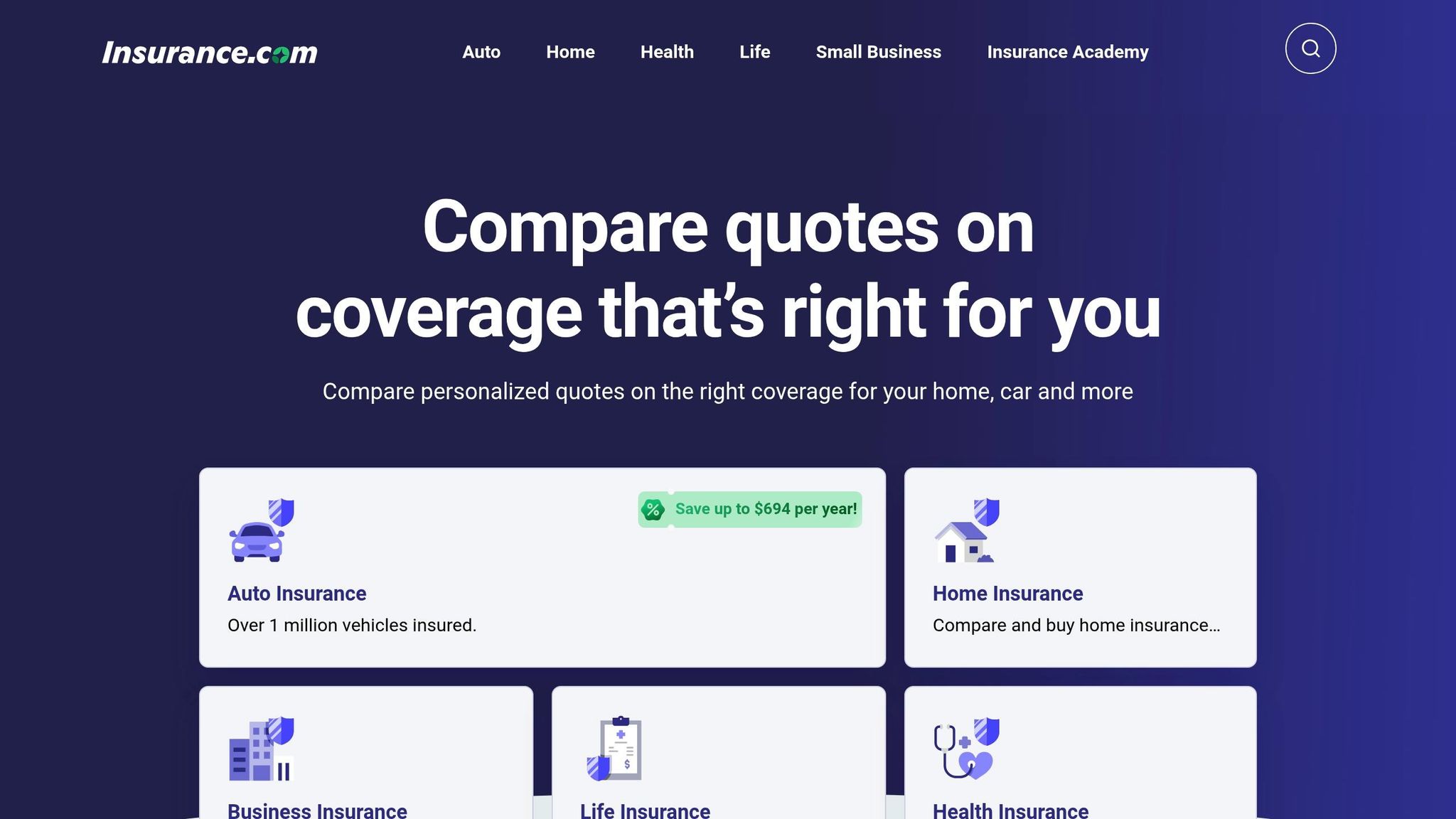
QuinStreet went back to the same playbook here, but with a broader name. In 2010, the company bought Insurance.com for $35.6 million as part of its push to own more of the insurance space. QuinStreet later confirmed the deal on its August 2010 earnings call.
QuinStreet described Insurance.com as a premier asset in its insurance portfolio. That label mattered. Unlike a domain tied to one slice of the market, Insurance.com could support the full insurance category, not just a single product line.
That was the main draw: breadth. One domain can cover many insurance lines. And timing adds context too. The domain was first registered in 1996, back when the online insurance market was virtually non-existent.
There’s a simple lesson here. If you buy a name broad enough to support many offers, you give yourself room to grow without a rebrand. In a huge market like insurance, that kind of flexibility can justify a big price tag.
That same logic changes when a buyer pays more for control than for category reach. The next sale shows how scarcity by itself can support a massive price.
6. VacationRentals.com
Deal value: $35 million (2007)
Unlike Insurance.com, this deal was about control, not range. In 2007, Brian Sharples, founder of HomeAway, paid $35 million for VacationRentals.com to keep it out of competitors' hands. The aim was simple: stop Expedia or another big travel company from getting a category-defining domain.
VacationRentals.com says exactly what the category is in three words. If someone types that phrase into a browser, they already know what they're looking for. If a rival had owned that name, it would have given them a clear market edge in the short-term rental space.
The lesson is simple: sometimes the best domain purchase is a defensive one. Owning the name can matter just as much as putting it to work.
The next sale shows a different kind of scarcity premium: a short, memorable brand name.
7. PrivateJet.com
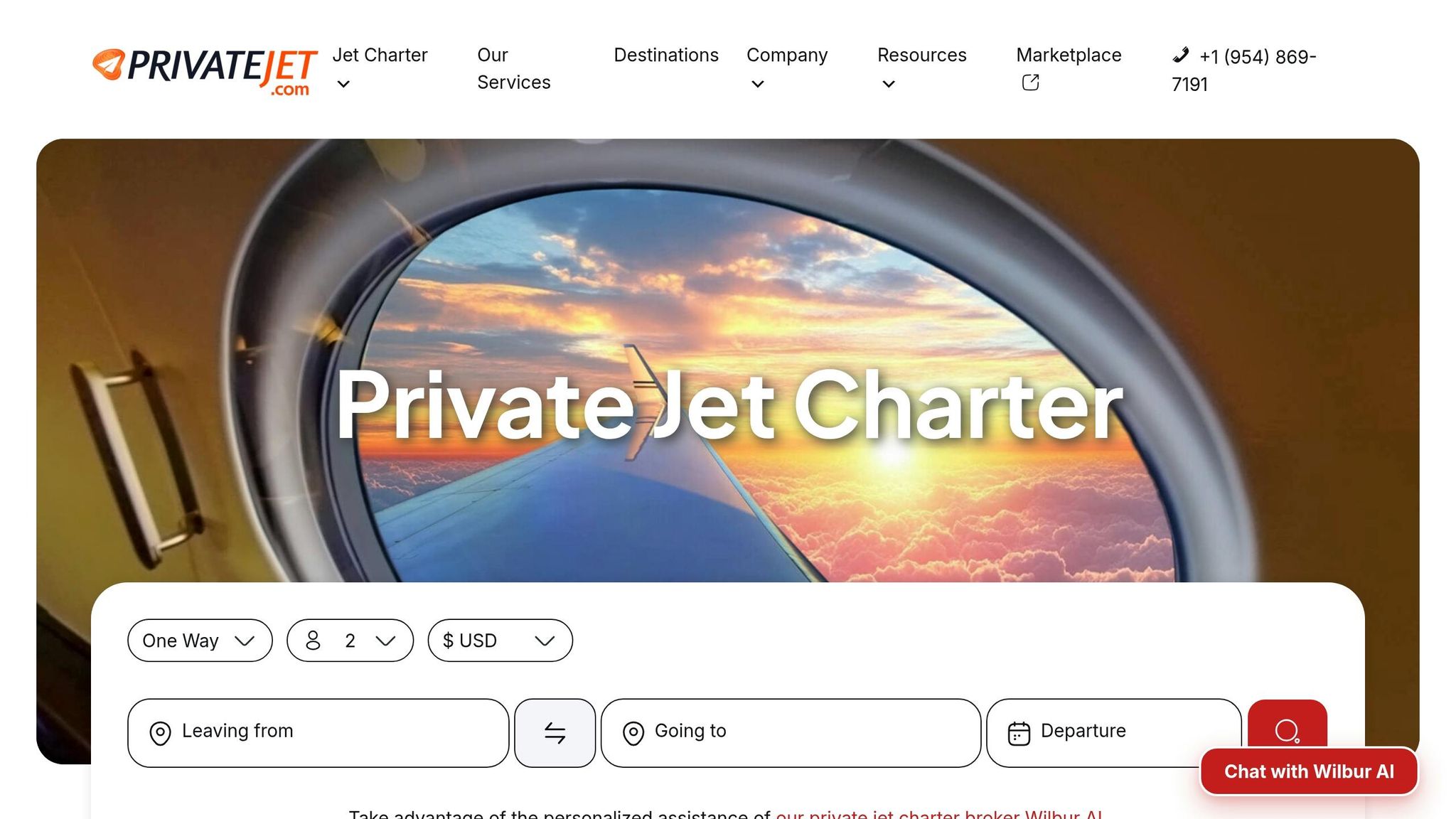
Deal value: $30.18 million (2012)
In February 2012, Nations Luxury Transportation, LLC bought PrivateJet.com from the intellectual property holding company Don't Look Media.com for $30.18 million in a mix of cash and stock. At the time, it set the record for the biggest single-domain sale, beating the prior $13 million mark.
PrivateJet.com is the kind of name that says a lot before anyone even lands on the site. In luxury aviation, trust is a big deal, and a domain like this can signal authority from the first glance. As domain broker Larry Fischer put it, assets like these can't be replicated or worked around.
After the deal, the domain became a live business site for charter bookings, jet sales, and aircraft management.
For founders in high-ticket markets, a premium domain can work like a trust shortcut, not just a branding cost. The next sale shifts from a direct category name to a short, brandable one that reached a similar level of scarcity-driven value.
8. Voice.com
Deal value: $30 million (2019)
On May 30, 2019, Block.one bought Voice.com from MicroStrategy for $30 million, with GoDaddy brokering the deal. MicroStrategy had owned the domain since the 1990s and treated it as a non-core asset. So the price wasn't just about buying a web address. It was also about buying history, scarcity, and instant brand power.
Voice.com stands out because it's a one-word .com. It's short, easy to remember, and broad enough to fit many product types. Names like this can give a company instant recognition and help it move faster at launch. That's the upside.
But there's a catch. A premium domain can get attention, not guarantee success.
Block.one bought Voice.com for a blockchain social platform, but the project didn't keep traction. That's what makes this sale worth studying. It's not only a story about top-tier branding. It's also a reminder that a strong name can't fix a weak market fit.
The lesson is pretty simple: a great domain can add credibility right away, but product-market fit still decides what happens next. Premium domains cut friction. They don't create demand on their own. The next sale shows how short, simple names can sell for similar prices.
9. Internet.com
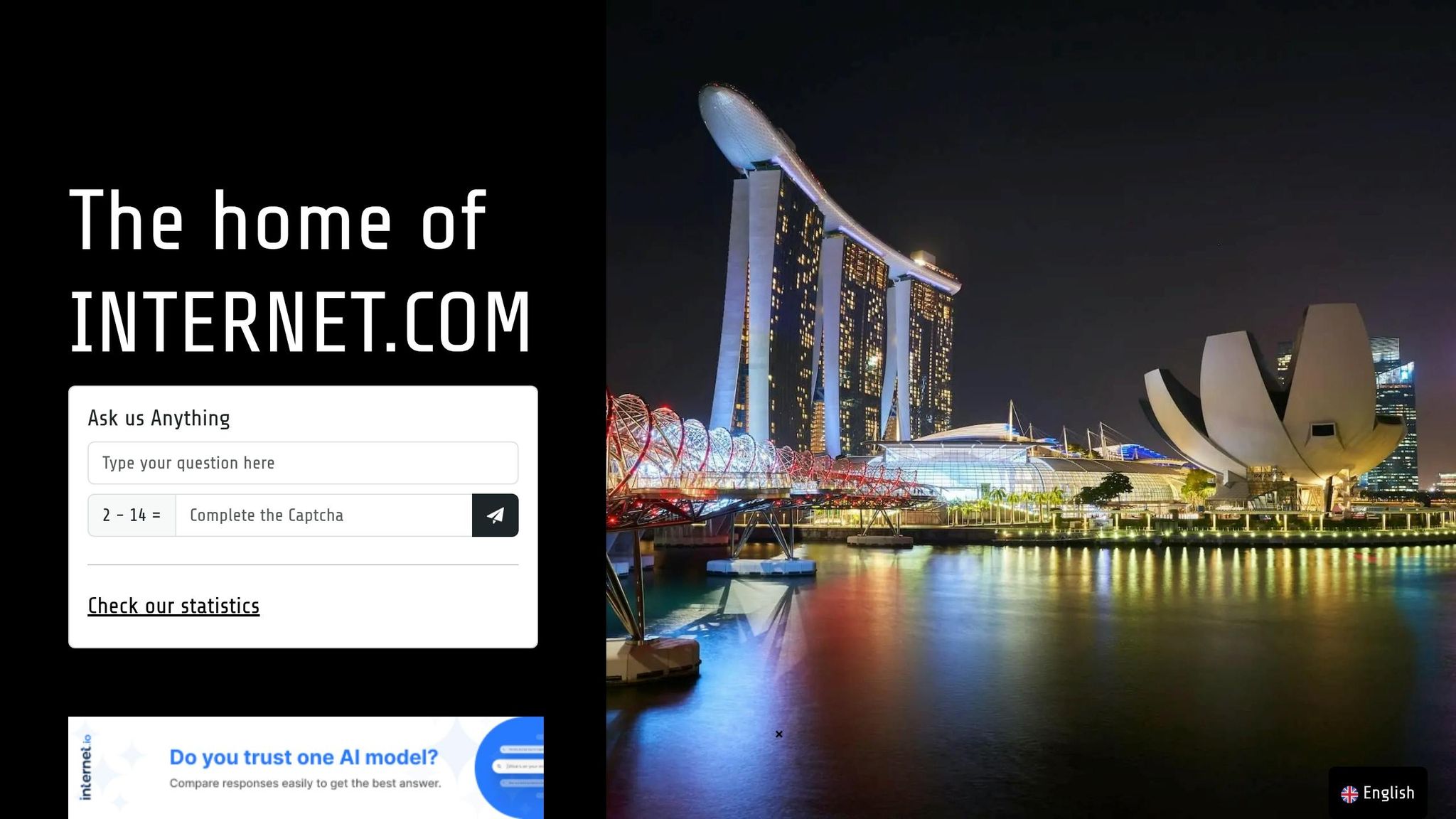
Deal value: $18 million (2009)
In August 2009, QuinStreet bought Internet.com from WebMediaBrands for $18 million in cash. The deal also included an IT and developer-site division with InternetNews.com. Registered in 1994, the domain already had a long track record. And that mattered. Even years later, the name still pulled in direct visits.
By March 2021, Internet.com was getting more than 5 million monthly unique visitors, much of it from type-in traffic. At that point, the domain was doing more than sitting on a URL bar. It was still bringing people in on its own.
Internet.com is a good example of how a broad portal domain can keep paying off even when the original business model shifts. Old traffic can still support a premium price long after the first big sale. The best names don’t just describe a business. They hold onto demand, and sometimes they outlive the moment that made them famous in the first place. Next comes 360.com, where scarcity came from length and simplicity rather than category meaning.
10. 360.com
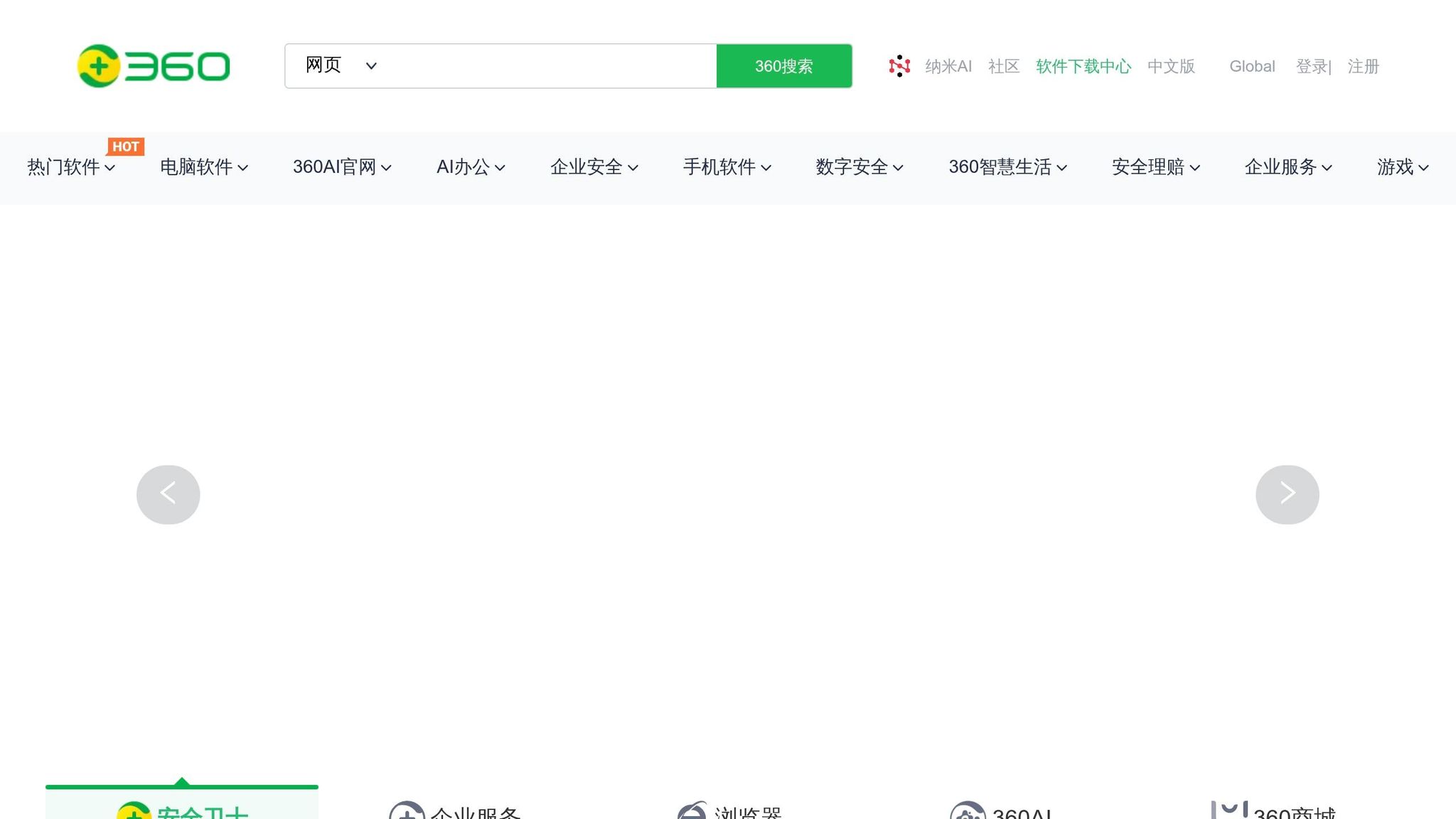
Deal value: $17 million (February 2015)
Unlike Internet.com, 360.com shows why a short domain can cost so much. In February 2015, Chinese internet security giant Qihoo 360 bought 360.com from Vodafone Group for $17 million. Vodafone had reportedly rejected a $14 million offer before that. And with about $7.5 billion in annual revenue, Qihoo 360 could absorb the $17 million price tag.
At the time, Qihoo 360 was already operating on 360.cn. That site was the 9th most visited in China and the 49th most visited in the world. So this wasn't about fixing a weak web presence. It was about brand direction. Qihoo 360 bought the .com to bring its brand under one global .com domain.
The number-based format also mattered. In China, short numeric domains have linguistic and market appeal because they're easy to remember and can work across many languages. And scarcity played a big part too: there are only 1,000 possible three-digit .com combinations.
The bigger win was consistency across markets. That made the switch to .com a brand move, not just a protective purchase.
The lesson for founders: If global expansion is on the table, get the .com early before the mismatch gets expensive.
Common Patterns Across the 10 Biggest Sales
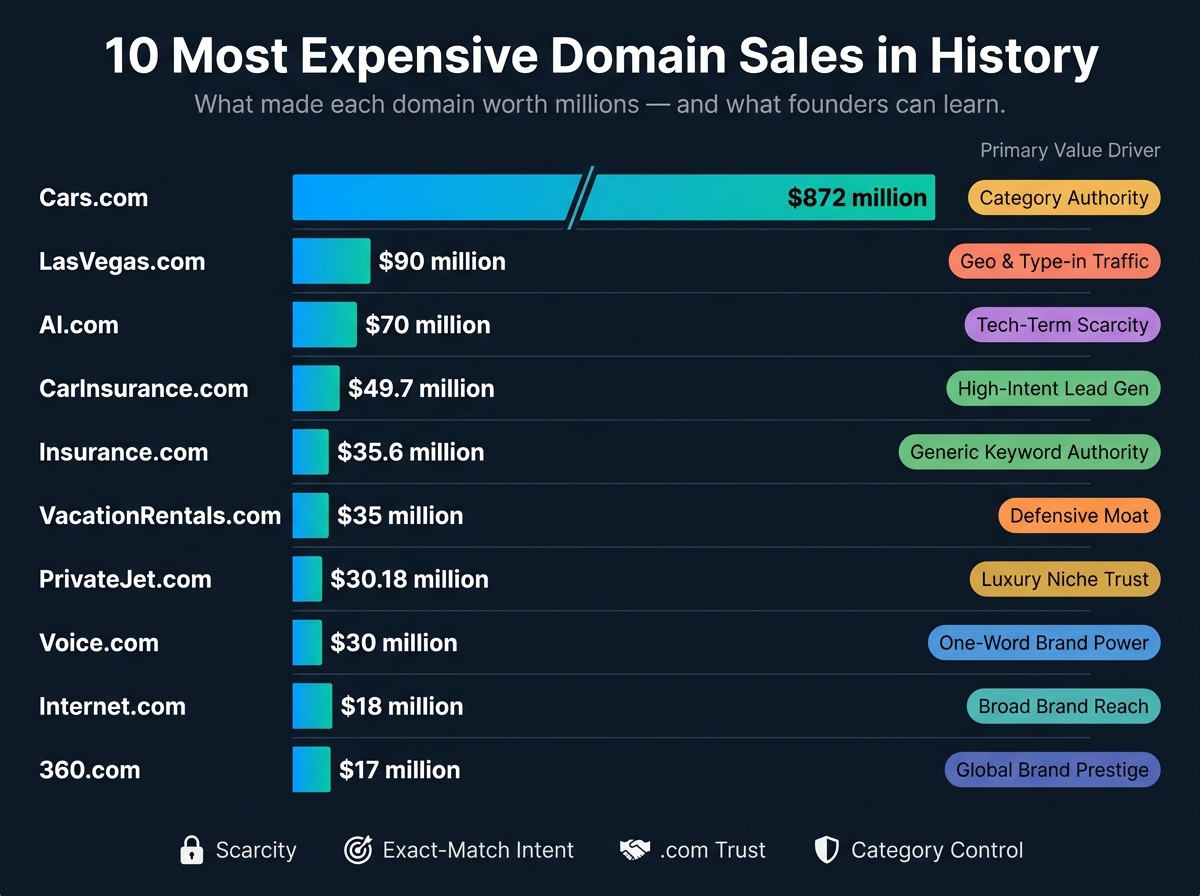
10 Most Expensive Domain Sales in History: Price & Value Drivers
When you line up these 10 deals, the same four pricing drivers show up again and again: category authority, memorability, control over a market term, and the trust that comes with a .com. Put simply, these sales follow a small set of pricing rules.
The next big pattern is the type of industry involved. Almost every deal here sits in a high-LTV space like insurance, automotive, luxury travel, and AI. QuinStreet paid $85.3 million for CarInsurance.com and Insurance.com because domains in high-LTV markets can cut reliance on paid traffic in costly niches. For buyers, the takeaway is pretty simple: the higher the customer lifetime value, the easier it is to make the case for a premium domain.
Control over a market term shows up again too, and it's easy to miss how much that matters. HomeAway founder Brian Sharples paid $35 million for VacationRentals.com in 2007 mainly to stop Expedia from getting it. This wasn't just a purchase. It gave HomeAway control of the category term. Qihoo 360 made a similar play with 360.com, using it as a main entry point for its product ecosystem.
All 10 sales are .com domains. That points to habit-based trust, not nostalgia.
Here’s the pattern at a glance:
| Domain | Sale Price | Primary Value Driver |
|---|---|---|
| Cars.com | $872 million | Category authority in a high-value vertical |
| LasVegas.com | ~$90 million | Geo lead-gen and direct type-in traffic |
| AI.com | $70 million | Short, memorable, tied to a major tech trend |
| CarInsurance.com | $49.7 million | High-intent keyword for lead generation |
| Insurance.com | $35.6 million | Trust and authority in a competitive insurance market |
| VacationRentals.com | $35 million | Defensive moat and category domination |
| PrivateJet.com | $30.18 million | Luxury positioning in a high-value niche |
| Voice.com | $30 million | Short, flexible brand name with long-term reach |
| Internet.com | $18 million | Broad brand reach |
| 360.com | $17 million | Global brand reach and .com prestige |
Quick Comparison Table
Here’s the same list in a tighter format. The table below shows the price, deal structure, industry, and the main reason each name sold at a premium.
| Domain | Reported Price | Deal Type | Industry | Primary Value Driver |
|---|---|---|---|---|
| Cars.com | $872 million | Business acquisition | Automotive | Category-defining marketplace |
| LasVegas.com | $90 million | Staged payments (11 years) | Tourism | Geographic authority & type-in traffic |
| AI.com | $70 million | Domain sale (crypto) | Tech / AI | Tech-term scarcity; category dominance |
| CarInsurance.com | $49.7 million | Domain sale | Insurance | High-intent keyword; lead generation |
| Insurance.com | $35.6 million | Domain sale | Insurance | Generic keyword; high-margin monetization |
| VacationRentals.com | $35 million | Domain sale | Travel | Defensive moat; competitive exclusion |
| PrivateJet.com | $30.18 million | Domain sale | Luxury travel | High-value niche keyword |
| Voice.com | $30 million | Domain sale (all cash) | Tech / Social | Single-word; brandable & versatile |
| Internet.com | $18 million | Division sale | Tech / Media | Generic keyword; historical authority |
| 360.com | $17 million | Domain sale | Tech / Security | Numeric; brand alignment & prestige |
How Solo Founders Should Evaluate a Domain Before Buying
Those sales point to a pretty simple buying framework: economics, clarity, flexibility, and trust.
The pattern in the table is hard to miss. The biggest domain sales tended to follow the same rules. You can use those same rules to decide whether a name is worth the price.
Start with unit economics. If a single customer is worth enough and paid search costs a lot, an exact-match domain can work as a lead asset, not just a brand asset.
Test intent clarity. A domain passes this test if a first-time visitor can tell what it sells before clicking. If the name needs a tagline just to explain the business, you'll likely spend more on ads, copy, and plain old explanation.
Brand range matters too. Broader names are easier to expand, rebrand, or sell later. Voice.com is a good example of why short, one-word names can keep their value beyond one product. Pick a name that can survive a pivot.
Account for trust value. A strong .com still carries habit-based trust, and that can help recall, clicks, and conversion over time.
Next, test shortlisted names with AI-powered landing pages before you commit.
Using AI to Test Domain Value Before You Commit
After the checklist, put the name through live tests before you buy it. Price doesn't predict performance. Voice.com sold for $30 million and gets about 88,800 monthly visitors, while 360.com sold for $17 million and draws 23.9 million.
That gap says a lot: a higher price tag doesn't mean a domain will pull more traffic or drive better results.
Before you commit to a big purchase, use Speeder.ai to spin up landing pages and lead-capture forms on your candidate domains. Then run A/B tests and compare how each name performs with actual visitors.
Look at signals like:
- Lead capture rate
- Demo bookings
- Email reply rate
Use the data to decide. If one name gets more people to act, that's the one worth buying.
Conclusion
Look across these sales and the same four forces show up again and again: scarcity, clarity, trust, and control. The pattern is simple. The best domains pack trust, intent, and category ownership into a single name.
For solo founders, the takeaway is straightforward: a premium domain can shorten the path to trust, but only when it matches the market. The lesson isn't the price tag. The value doesn't sit in the name by itself. It comes from the trust, authority, and speed that the right name can create.
Treat your domain like an operating asset, not just another line item at checkout. Buy with intent, trust, and room to grow in mind, not just memorability. Use the same checklist every time: category fit, trust, and resale strength.
FAQs
How can I tell if a premium domain is worth the price?
Check its scarcity and relevance first. Does it line up with a major trend or a category people already care about? Then look at memorability and length. A short name that feels easy to recall can go a long way. It should also signal authority and trust right away, especially on a .com.
You’ll also want to verify the deal context. Some eye-catching sale prices include acquisitions or packaged assets, not just the domain by itself. That can change how you read the number.
From there, weigh ROI through brand-driven acquisition value. In plain English: can the name help you earn more direct traffic and branded searches over time?
Why do .com domains still sell for more than other extensions?
Because .com has been part of how people use the internet for decades. It’s familiar, easy to remember, and widely seen as the default choice. That long history gives it a sense of trust, legitimacy, staying power, and ambition.
It also tends to have better liquidity, more direct type-in traffic, and stronger brand equity. Newer domain extensions sometimes get a burst of interest, but .com still leads in sales volume and price because businesses keep coming back to what feels familiar and safe.
Should a founder buy an exact-match domain or a broader brand name?
It depends on your industry and what you're trying to do.
Exact-match domains tend to work well in competitive fields like finance, insurance, and legal services. They can signal authority, trust, and clear commercial intent right away.
Brandable names are often a better fit for creative or emerging sectors. They give you a more distinct identity and more room to tell your story.